 Lydiony Garden
16 July 2026
Common Tomato Pests in Melbourne and How to Control Them
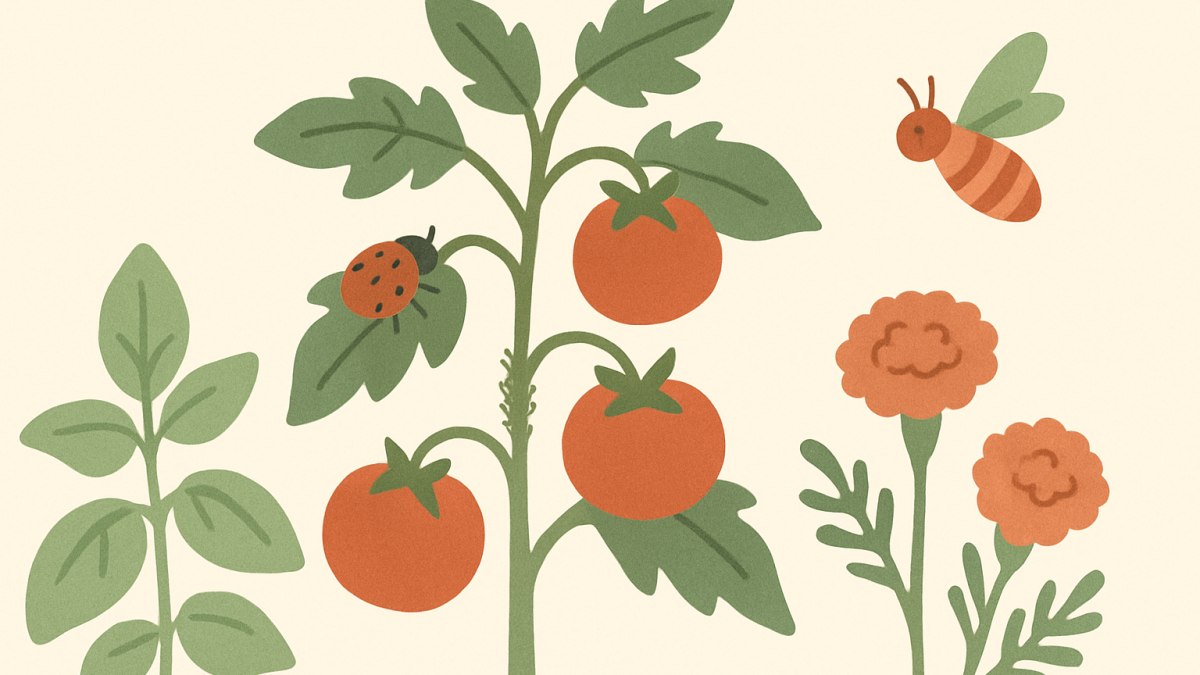
Every Melbourne tomato grower runs into pests sooner or later — it's less a question of if than when. Knowing which tomato pests are common in Melbourne, how to spot them early, and how to deal with them without reaching straight for harsh chemicals makes the difference between losing a crop and just losing a few leaves. Here's what to watch for through the season, and how to keep it under control.
Why Early Detection Matters Most
Almost every common tomato pest is far easier to manage at the first sign of damage than once a population is established. A weekly walk through your tomato patch, checking the undersides of leaves and new growth tips, catches most problems early enough to deal with them using the gentlest, least disruptive method available.
Aphids
The most common tomato pest in Melbourne gardens, aphids cluster on new growth and the undersides of leaves, sucking sap and excreting sticky honeydew that can lead to sooty mould.
Signs: Clusters of small (often green, sometimes black or grey) insects on new shoots and leaf undersides; curled or distorted new growth; sticky residue on leaves.
Control:
- A strong jet of water knocks most aphids off and is often enough for a light infestation.
- Homemade organic white oil sprayed directly onto colonies smothers them effectively and is gentle enough to use regularly without harming the plant.
- Encourage natural predators — ladybirds and lacewings both feed heavily on aphids, and avoiding broad-spectrum sprays helps keep these beneficial insects around.
Tomato Russet Mite
A microscopic pest, invisible to the naked eye, but its damage is unmistakable: leaves take on a bronzed, greasy appearance and stems develop a russeted, rusty-brown texture, often starting from the base of the plant and working upward.
Signs: Bronzing and curling of lower leaves, spreading upward; russeted, brown stems; rapid decline if left unchecked, especially in hot, dry weather which favours this pest.
Control:
- Remove and destroy affected foliage promptly — russet mite spreads fast in warm weather.
- Sulphur-based sprays are an effective organic control, applied at the first sign of bronzing.
- Keep plants well-watered through hot spells, since heat-stressed plants are more vulnerable.
Whitefly
Tiny white insects that flutter up in a small cloud when a plant is disturbed, whitefly feed on sap much like aphids and can build to large populations in warm, still weather.
Signs: Small white flying insects disturbed from leaf undersides; yellowing leaves; sticky honeydew and associated sooty mould in heavier infestations.
Control:
- Yellow sticky traps hung near plants catch adult whitefly effectively and also help you monitor population levels.
- Organic white oil or insecticidal soap, applied to leaf undersides where whitefly congregate, is effective without harsh chemical residues.
- Good airflow between plants (adequate spacing, staking rather than letting plants sprawl) makes conditions less favourable for whitefly to establish.
Tomato Fruitworm (Helicoverpa)
Also known as corn earworm or budworm, this caterpillar bores directly into developing fruit, making it one of the more damaging tomato pests once established.
Signs: Small entry holes in fruit, often near the stem end; caterpillar frass (droppings) visible around the entry hole; damaged, hollowed-out fruit interior.
Control:
- Check fruit regularly and remove any showing entry holes before the caterpillar can move to the next fruit.
- Encourage predatory insects and birds, which feed on the moth's eggs and young caterpillars.
- A targeted biological spray based on Bacillus thuringiensis (Bt) is effective against caterpillar pests while being gentle on beneficial insects.
Two-Spotted Mite (Spider Mite)
Thrives in hot, dry weather — exactly the conditions a Melbourne heatwave provides — and can build to damaging numbers quickly if unnoticed.
Signs: Fine stippling or speckling on leaves; fine webbing on the undersides of leaves and between stems in heavier infestations; leaves turning pale, bronzed, or dropping in severe cases.
Control:
- Regular misting or hosing of foliage disrupts mite populations, which favour dry conditions.
- Organic white oil is effective here too, smothering mites on contact.
- Avoid moisture stress in your plants generally — well-watered tomatoes are less vulnerable to mite damage than drought-stressed ones.
Slugs and Snails
More of a problem for young seedlings than established plants, slugs and snails can demolish a newly planted tomato seedling overnight, particularly after a wet spring spell.
Signs: Ragged holes in leaves, especially low on young plants; slime trails nearby; damage typically worse after rain or in the evening.
Control:
- Beer traps, crushed eggshell barriers, or copper tape around the base of vulnerable young plants all give some protection.
- Watering in the morning rather than the evening leaves the soil surface drier by dusk, when slugs and snails are most active.
- Established plants with some size on them are far less vulnerable, so protecting seedlings through their first few weeks is the highest-value window.
A General-Purpose Approach: Organic White Oil
Several of the pests above respond well to a simple homemade organic white oil spray — a gentle, low-toxicity option that smothers soft-bodied pests like aphids, whitefly, and mites without the residue or broader ecological impact of harsher chemical sprays. See our guide to making your own organic white oil for a simple recipe worth having made up and ready before pest pressure builds, so you can respond the moment you spot the first signs rather than waiting on a shop trip.
Prevention Beats Cure
A few habits reduce pest pressure across the board, regardless of which specific pest turns up:
- Inspect weekly: Catching a small infestation early is always easier to manage than a large one.
- Encourage beneficial insects: Avoid broad-spectrum insecticides where possible, and consider companion planting flowers that attract ladybirds, lacewings, and predatory wasps.
- Keep plants healthy: Well-watered, well-fed plants with good airflow around them are naturally more resistant to most pests than stressed ones.
- Practice good hygiene: Clear affected plant material promptly rather than leaving it in the garden, and rotate crops season to season to reduce pest and disease carryover.
Growing Strong Plants From the Start
A healthy, well-established plant is naturally more resilient to pest pressure than one that's struggled from the outset. Starting with strong, locally hardened tomato seedlings gives your plants the best possible foundation to shrug off the pests every Melbourne garden eventually meets.